Class A vs. Class C: Which is Right for You?
Class A vs. Class C: Which is Right for You?
Learn about the similarities and differences of these motorhomes.
By: Kenny & Sabrina Phillips
Both Class A and Class C motorhomes are similar in terms of comfort, sleeping capacity, and day-to-day living, and both can take you to some incredible places! However, there are some differences, like size and ease of driving, that may influence which option you choose to travel in.
The key is to think about how you plan to use your RV, where you want to go, and how comfortable you feel behind the wheel. To help you choose, I’ll compare these two popular motorhome types and point out what you may want to consider when choosing which is best for you.

Main Differences Between Class A and Class C Motorhomes
Typically, Class A motorhomes have a bus-style look and can range from just under thirty feet to more than forty feet. They are built on a heavy-duty stripped chassis, which is specifically designed for a Class A RV. When the RV manufacturer receives the chassis, they build everything from the frame up (including the front cab area)—even the windshields are a custom design.
Class As are available in gas or diesel, and the engines can be in the front or rear. Typically, gas engines are in the front and diesel engines are in the rear.
Class C motorhomes are smaller and built on a cutaway chassis. This means the base of the chassis comes from the automotive world and is usually built on an E-350 or E-450 series van. The front cab of the vehicle is already complete, and the RV manufacturer builds the house portion of the RV, which typically includes an overhead cab area for storage or sleeping.
There are multiple types of Class C RVs, ranging in size and features. In this article, I am mainly focusing on the traditional-style Class C, like the Winnebago Minnie Winnie and Winnebago Sunflyer/Sucruiser. However, there are also more modern Compact Class C models, like the Winnebago View and Winnebago EKKO.
 Interior of the Winnebago Sunflyer.
Class A vs. Class C Driving Experience
When it comes to getting behind the wheel, these two types of RVs feel very different. For many drivers, the overall experience tends to favor the Class C when it comes to familiarity. Since a Class C is built on a cutaway van chassis, you sit lower to the ground, and it often feels more like driving a large automotive vehicle.
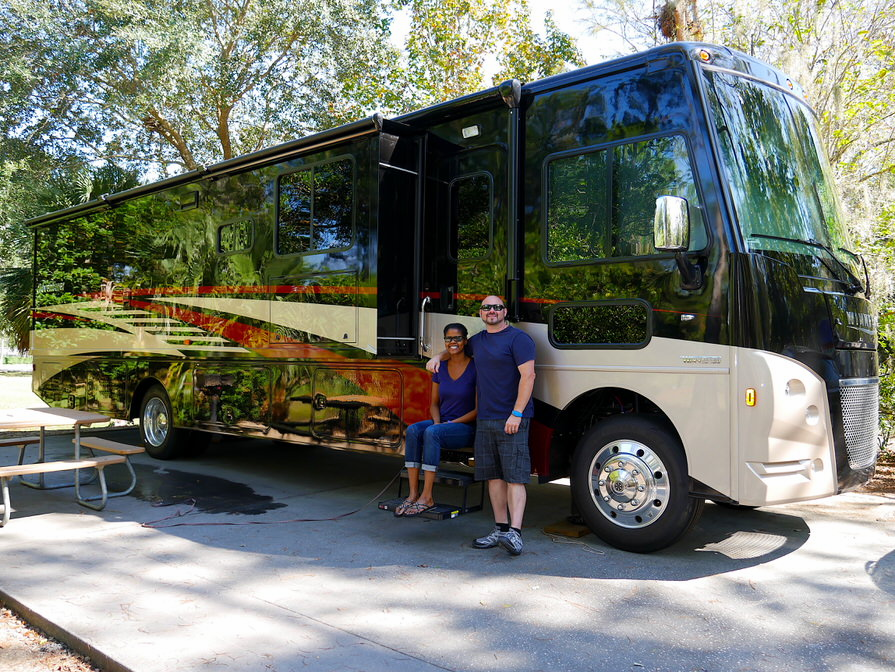
A Class A, on the other hand, has more of a bus-style driving position. You sit much higher and are often eye-to-eye with tractor-trailers. The large panoramic windshield and no hood on my Winnebago Vista provides excellent visibility of the road, but it can feel intimidating for some drivers, especially those new to RV driving.
Because of this, many first-time RV buyers lean toward a Class C since it can generally feel more stable in certain conditions. However, both Class A and Class C units can be affected by wind depending on factors like size, weight, suspension, and load distribution.
Overall, ride quality typically leans in favor of a Class C.
When it comes to safety, Class C motorhomes also often have an advantage in terms of modern automotive safety features. Since they are built on commercial van platforms like the Ford E-series cutaway chassis, they typically include features such as front airbags and, in newer models, available driver-assist technologies like blind-spot monitoring and lane departure warnings.

Class A motorhomes, which are built on the stripped chassis platforms, generally do not include airbags and may have fewer standard driver assist features, although this is beginning to change with newer designs and Winnebago’s Driver Confidence Package.
In terms of braking and handling, Class C motorhomes are often smaller and lighter than many Class A models, which can contribute to shorter stopping distances. However, braking performance ultimately depends on the specific chassis, weight, and braking system of the individual motorhome. So, a large Class C versus a small Class A may have similar brake distance times.
Class A vs. Class C Overall Layout Comparison
An RV’s layout is usually the biggest deciding factor on which model to buy. Overall comfort and function play a big role in which RV is right for you. We have found Class A motorhomes to have a more spacious feel than a Class C. Even in our small Winnebago Vista (28-ft long), it felt larger inside than longer Class C motorhomes. I believe most of this is due to our large windshield, allowing for maximum light to come through and offering great views of the outside, whereas the Class C has the overhead bunk which can obstruct views from the inside and cut down on natural light.
Other than that, the layouts in these two classes of RV can be very similar. Both offer slide-outs and home-like features like sofas, full bathrooms, and large kitchens. They can each sleep large families as well. Winnebago even offers optional drop-down beds in the Class A line up.

The Class A does, however, pull away from the Class C when it comes to cargo space and capacity.
Going back to the chassis differences again, the Class A typically can carry more weight. Because the house floor line starts a few feet off the ground, it also allows for larger cargo bay doors and exterior storage.
A Winnebago Class A offers superior cold-weather protection with its freeze line insulation. Anything above this freeze line is heated by the house furnace, so as long as you are staying warm and comfortable, so will your water bays and cargo. Sabrina and I have been in temperatures as low as single digits in our Vista!
Traveling & Camping in a Class A vs. Class C Motorhome
Because Class As are overall larger vehicles, they are not going to be able to go everywhere a Class C can. Height can restrict access to some dry camping spots, as they are often over a foot taller and wider than a Class C, but width and turning radius can be just as limiting on tighter roads and in older campgrounds. A Class C is generally easier to maneuver in cities, fuel stations, and smaller campsites, whereas a Class A requires a bit more planning when it comes to access.
You will also need larger campsite spots with a Class A, and while many national parks can accommodate a variety of RV sizes, some national park campground sites do have length restrictions that tend to favor shorter rigs, often around 25 feet or under.

I believe setting up camp and packing up roughly takes about the same time for both RVs, and this really depends on what sizes you are looking at. Winnebago offers leveling jacks standard in their Class A RVs as well as their Class C RVs, like the Winnebago Sunflyer. This cuts out a lot of time, as you don’t need to bring out or pack up blocks that go under your tires every time you camp. Features like these really make setting up camp quick and easy.
Class A motorhomes can absolutely still be used for dry camping, but you may find yourself being a bit more selective with locations based on road conditions and overall access.
Final Thoughts on Deciding Between a Class A or Class C RV
When it comes down to choosing between a Class A and Class C, just like I mentioned in my new vs. used article, there really is no right or wrong answer. It all comes down to how you plan to travel and what matters most to you.
If you are looking for something that feels more open, offers larger storage capacity, and provides a more residential-style living experience, a Class A may be the better fit. On the other hand, if ease of driving, maneuverability, and access to a wider range of campsites are higher on your list, a Class C is hard to beat.
However, at the end of the day, the best RV is the one that fits your travel style and gets you out on the road more often!
 Winnebago Sunflyer autumn camping
To compare Compact Class C vs. Class B RVs, check out this article with video!
As always, I wish you all safe travels and would love to hear from you in the comment section with what style you chose and why. Your comment could help someone make their final decision on what RV is best for them!
Comments
Comments on this post are moderated, so they will not appear instantly. All relevant questions and helpful notes are welcome! If you have a service inquiry or question related to your RV, please reach out to the customer care team directly using the phone numbers or contact form on this page .