Should You Choose a Small RV or a Camper Van? Comparing a Compact Class C vs. Class B
Should You Choose a Small RV or a Camper Van? Comparing a Compact Class C vs. Class B
Learn about the differences and hear how one long-time RVing couple made their choice.
By: GoLife Staff
Small RVs are extremely popular because they provide the comforts of a motorhome in a size that’s far easier to manage on the road than a larger rig. That balance makes them a great choice for new RVers, solo travelers, couples, and small families seeking an RV that offers both freedom and flexibility.
If you have decided a smaller rig is the best fit for you, there are two main options you’ll likely be comparing: camper vans (Class B) and compact Class C motorhomes. While both RV types have many exciting features to help make your camping trip a success, there are certain aspects of traveling in a camper van versus a small motorhome that may affect your decision, such as living and storage space, ease of parking, and upgraded features.

In this article, we’ll explore some top considerations for making your choice and hear from a long-time RVer couple who have traveled in both options. They have many helpful insights to share about why they made their current choice!
Comparing Class B Camper Vans to Compact Class C Motorhomes
After spending the last five years in a Winnebago EKKO, and the five years prior in a Winnebago Travato, James and Stef Adinaro of @TheFitRV have compiled a detailed overview of why they would choose one over the other in the video below. Plus, they offer suggestions for who each option may be best for and what to consider when making your choice.
To join the conversation about their video, go to this page on The Fit RV website.
Differences in Class C and Class B RVs
As mentioned in the video, you should first consider how you will be using the RV, your preferred camping style, where you plan to store it, and how much living and storage space you would like to have. Once you have a clear idea of what you want, you’ll be prepared to make a final decision by comparing which option best fits your ideal RV lifestyle.
- Living and Storage Space: Since Class Bs are built on a smaller van chassis, they do not have as much head space, living space, or storage as a Class C. Compact Class C RVs (like the Winnebago EKKO) are still smaller rigs, but are built on a chassis that is meant for a motorhome and can be personalized more for the RVing lifestyle because of that. For example, camper vans have metal walls that slope inward, while Class C RVs are able to be built with straight walls.
- Additional Features: Since a Class C is purpose-built as an RV, it also allows for additional features to be added, like better insulation that can be built in during manufacturing and large storage spaces. However, many RVers still perfer the simplicity of camper van options.
- Ease of Driving and Parking: Although a Class B van is a bit more nimble, compact Class C RVs like the Winnebago EKKO, are small enough to still be very easy to drive and can be parked in many of the same places a camper van can be.
Of course, there is no right or wrong choice, just what works best for your RVing style!
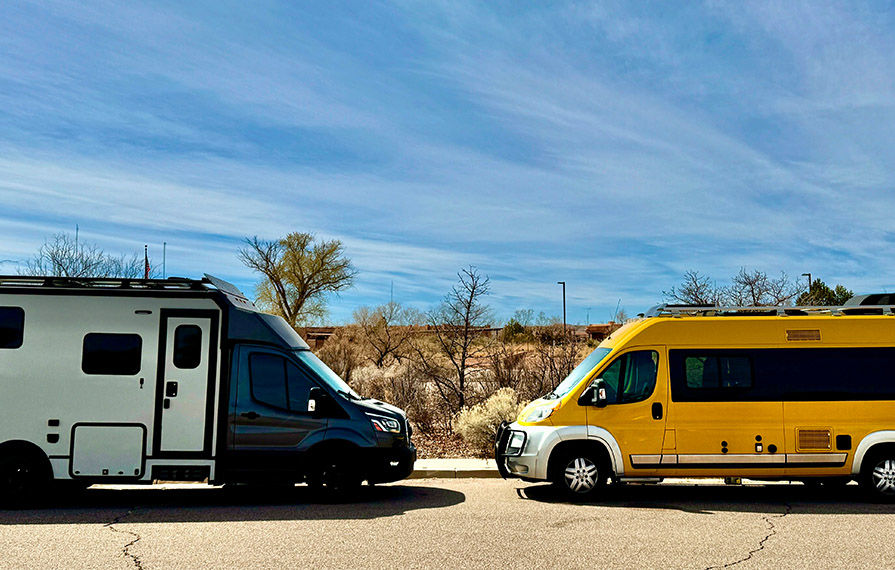
 Winnebago Travato traveling in the desert.
Top Reasons to Choose a Class B Camper Van
Van life enthusiasts will happily share how much they love the ease, flexibility, and simplicity their Class B offers. Here are some of the reasons van lifers love their rig:
1. Easier to Drive
Class B vans drive similarly to normal large vans since they are narrower, shorter, and easier to maneuver than larger RVs and travel trailers. They are a common choice for first-time RV owners and solo travelers.
2. Flexible Parking
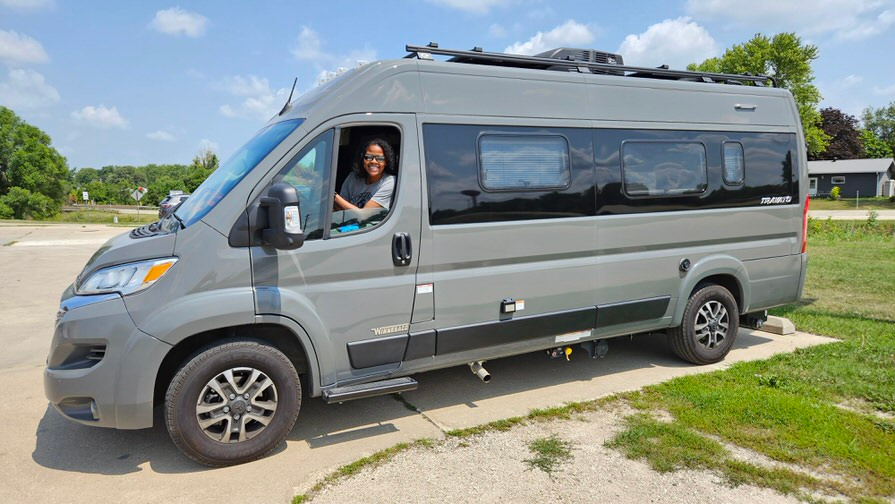
While compact Class C RVs can also fit in many places, camper vans like the Winnebago Travato can usually fit easier in normal parking spaces, such as at a grocery store, along a city street, or in a tighter campsite. They are also more likely to be overlooked than a larger RV. This is why many RVers choose this option if they enjoy urban explorations or want to be able to park their RV in their driveway.
Note: If you have an HOA, it is worth checking their rules before planning to park an RV in your driveway or on your street to make sure there aren’t size restrictions or other rules you will be fined for breaking. This may help make the decision for you!
3. Better Gas Mileage
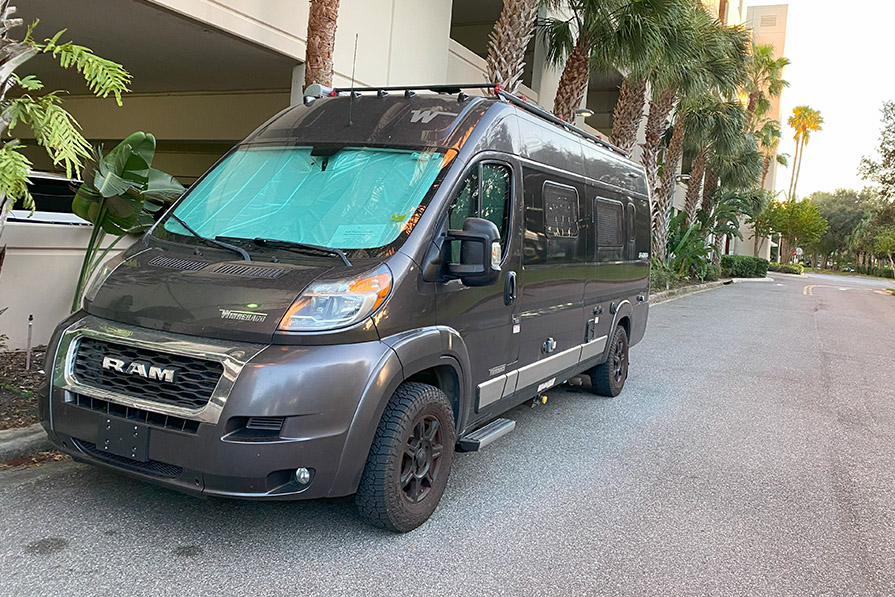
Although mileage can vary depending on multiple factors, a camper van will usually have better fuel efficiency than a compact Class C. For example, many Winnebago Travato owners note they get around 18-22 MPG, while EKKO owners have noted that they get closer to 15-18 MPG. (Get tips for improving fuel efficiency in this article!)
Because of the lower gas mileage and smaller size, many people even use their camper van as a daily driver when more space is needed, like when taking kids to sports practice!
Top Reasons to Choose a Compact Class C RV
A small Class C motorhome, like the Winnebago EKKO, is often chosen because it provides more space while still being small enough to fit in most campsites. This option is often ideal for families, people working from the road, outdoor enthusiasts, and couples traveling long-term who want more space.
Here are some of the reasons RVers are happy with choosing a Class C:
1. More Living Space
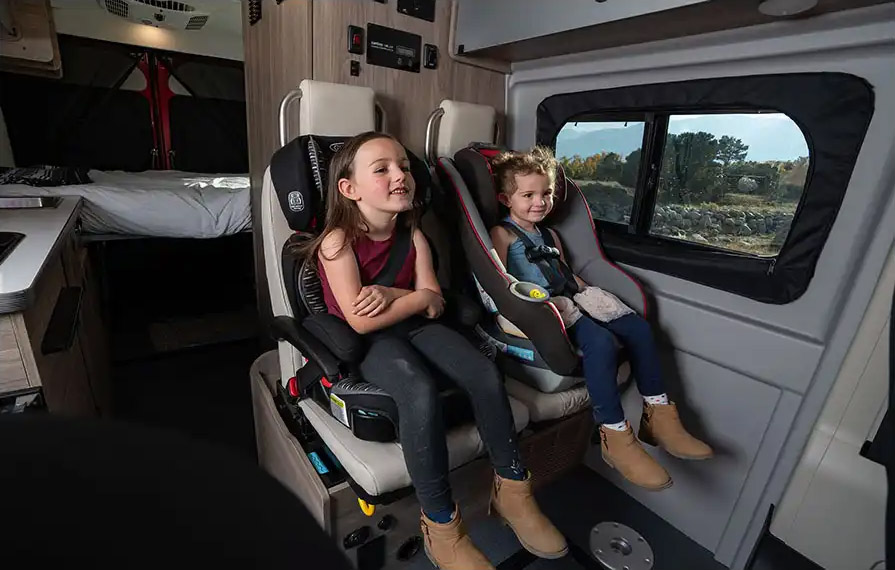
When compared to camper vans, Class C rigs have wider bodies and higher ceilings, which creates noticeably more interior space. These are easier for multiple people to sleep in, spend time in, and travel in while buckled up safely. For example, the Winnebago EKKO sleeps four to five people thanks to a flex bed system, sofa that converts to a small bed (23B floorplan), and optional pop-top sleeping.
 Winnebago EKKO Sprinter 23B interior.
2. More Storage and Gear Space
Class C motorhomes often include large exterior storage compartments, bigger closets and cabinets, and dedicated space for bikes, skis, and other outdoor gear. For example, the Winnebago EKKO also has a large, dedicated gear garage area for equipment.

3. Longer Off-Grid Capability
Because compact Class C rigs usually have larger fresh water and gray/black tanks, as well as bigger battery systems, they can often stay off grid longer without needing to get to a dump station or charge batteries. Many, like the Winnebago EKKO, offer extended season camping features so that you can continue to RV even when the temperatures drop.
Of course, solar power and lifestyle choices can also make a big difference in how long you can boondock in your RV. Learn more about planning how long you can realistically dry camp in this article.
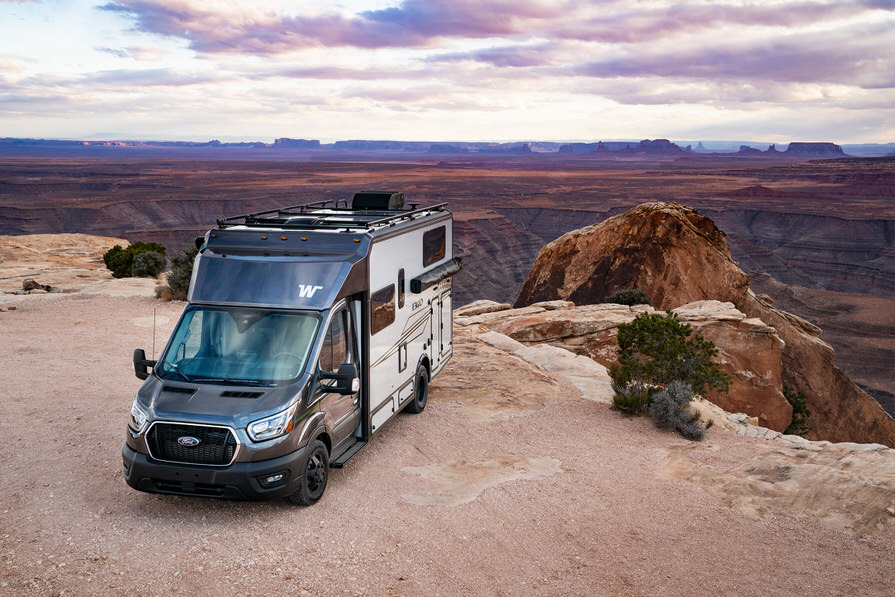
Which option do you prefer: the added comfort and space of a compact Class C, or the simpler, more flexible camper van? Please share your reasons in the comments!
Comments
Comments on this post are moderated, so they will not appear instantly. All relevant questions and helpful notes are welcome! If you have a service inquiry or question related to your RV, please reach out to the customer care team directly using the phone numbers or contact form on this page .